Why Do I End Up Watching Behind the Scenes After a Film?
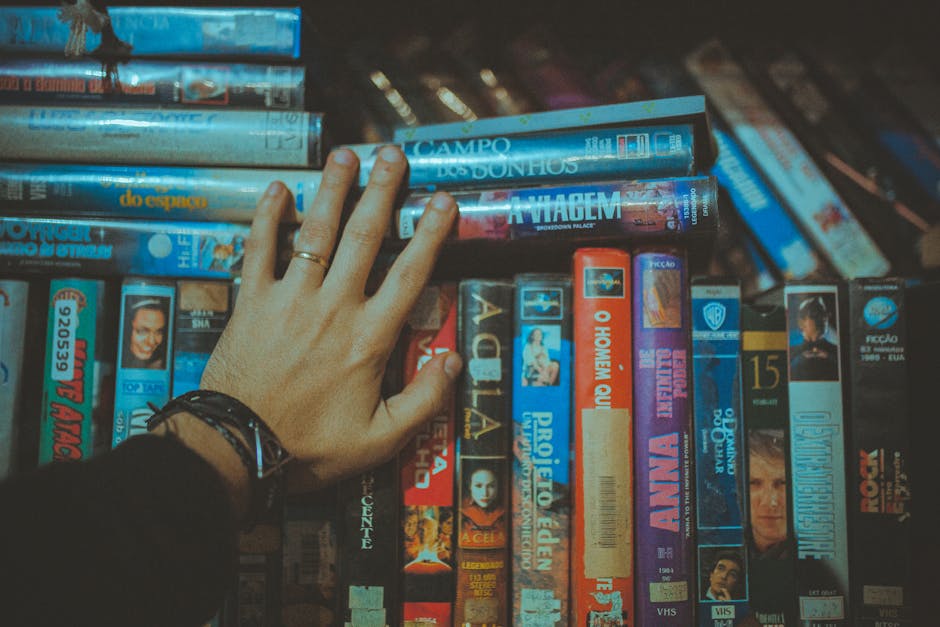
Have you ever finished watching a movie, only to find yourself clicking on the “Behind the Scenes” feature, diving into a rabbit hole of interviews, bloopers, and production secrets? If you’re like me—and my “what we watched after dinner” notes confirm this—this is a surprisingly common habit. In the past, this meant rifling through DVD extras or VHS tape rewind menus, but today, streaming services and mobile devices have transformed this passive viewing ritual into a seamless part of our entertainment experience.
The Magic of Behind the Scenes Content
Behind the scenes content isn’t just additional footage; it’s a gateway into the filmmaking process. It offers a unique lens through which to appreciate the craft, elevating our understanding from mere watchers to active participants in the artistic journey.
- Film Appreciation Enhancement: Seeing set design struggles, costume trials, and actor rehearsals adds layers of depth to the final product.
- Humanizing Creators: Behind the scenes clips show the personalities and hard work behind the camera, building a connection that pure on-screen action can’t achieve.
- Post Movie Rabbit Hole: With so much content available, it’s easy to fall into a fascinating series of extras, leading to hours of extra viewing.
Passive Viewing vs Active Participation
Traditional movie watching is largely a passive activity: you sit, absorb a narrative, and then move on. But behind the scenes content invites a shift from passive consumption to active engagement. When you watch these extras, you’re no longer just watching a story unfold. You’re learning, analyzing, and sometimes even questioning creative choices.

This shift caters to a particular mindset:
- Curiosity: After a film ends, the natural curiosity to understand how certain scenes were created propels viewers to dig deeper.
- Connection: Viewers feel closer to the work when they see the effort and passion behind it.
- Reflection: Watching behind the scenes can prompt re-evaluation of the film itself, making subsequent viewings richer.
Example: Indie Films vs Blockbusters
Interestingly, the appeal of behind the scenes content differs depending on the film type. Indie films often rely on small crews and creative problem-solving, which can be captivating to see unfold. Meanwhile, blockbuster behind the scenes content dazzles with visual effects breakdowns and large-scale coordination, appealing to tech enthusiasts and casual fans alike.
Mix-and-Match Entertainment Evenings
Gone are the days when movie night was a clear start-to-finish event. Thanks to streaming platforms and mobile devices, we now blend genres and formats effortlessly, often mixing a narrative film with documentaries, shorts, or behind the scenes features.
This mix-and-match style benefits from two key factors:
- Convenience: Streaming services curate both the film and its supplementary content side-by-side, reducing friction and facilitating extended engagement.
- Choice Overload: Paradoxically, the abundance of options makes viewers more likely to dip into extras as a way to simplify their decision process—“I’ll watch something related to this movie since I just finished it.”
Platform Switching and Attention
Modern viewing habits show a growing tendency to switch between platforms and types of content, particularly on mobile devices. After the movie credits roll, many of us glance at our phones or tablets, opening apps, scrolling social media, or searching for related content.
In this context, behind the scenes videos are the perfect compromise. They align directly with the movie's universe and can be consumed in short bursts or longer sittings without demanding a huge attention commitment.
This “platform switching” habit taps into several behavioral tendencies:
- Short Attention Spans: Behind the scenes segments come in bite-sized formats that fit easily between other tasks.
- Curated Recommendations: Streaming platforms often algorithmically suggest related content immediately after the film, nudging viewers toward deeper engagement.
- On-the-Go Watching: Mobile devices make it simple to continue exploring a film's world from anywhere, turning waiting times or commutes into opportunities for casual viewing.
Streaming Convenience and Choice Overload
While streaming services have revolutionized entertainment, they’ve also created an environment of overwhelming choice. Paradoxically, the sheer volume of content can lead to https://dlf-ne.org/what-makes-a-movie-stand-out-when-there-are-too-many-options/ decision fatigue, encouraging viewers to stick with related content rather than switching gears entirely.
Behind the scenes content benefits from being an “adjacent” option that feels less risky or demanding.
Wrapping Up: Why the Post-Movie Rabbit Hole Endures
Whether it’s a deep dive into special effects, actor interviews that reveal off-screen chemistry, or a light-hearted blooper reel, behind the scenes content satisfies our multi-layered desire for connection and knowledge. Streaming services and mobile devices have made accessing this content effortless, seamlessly integrating it into our varied, platform-hopping, mix-and-match entertainment routines.
Far from signaling the end of movie magic, this trend reflects a more engaged and participatory audience, eager to understand and appreciate the art behind the illusion. So next time you catch yourself clicking "play" on a behind the scenes video after the credits roll, remember: you’re not wasting time, https://highstylife.com/why-do-i-want-to-play-a-game-after-watching-a-movie/ you're enriching your film appreciation experience—no matter how many layers deep you go in that post movie rabbit hole.
And for those wondering, yes—I keep track of these viewing habits diligently in my notes. Watching behind the scenes after a film has become not just a habit, but a cherished extension of the movie night ritual.